Archiving the Data a Review Depends On

Broker records are supposed to be permanent. Most of them are available for a couple of years and then are not, and intraday chart history is usually gone long before that. This is where orb trading review consultoriainnova keeps its own copies rather than relying on a platform, since a strategy for the opening range is reviewed against sessions that may be three years old, and a conclusion that cannot be re-derived from stored data is an opinion with a date on it.
What Disappears First
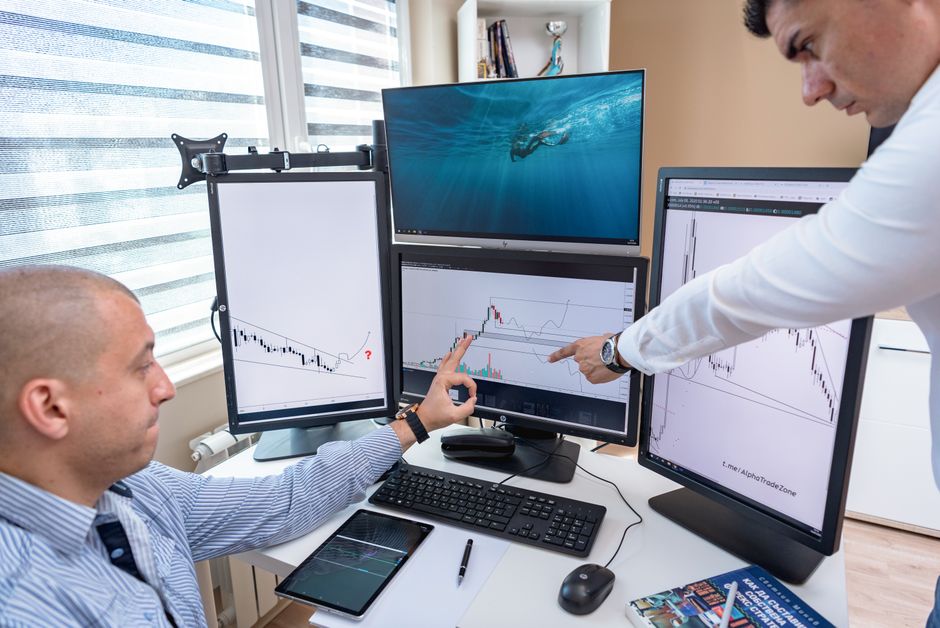
Minute level price history is the earliest casualty. Most retail platforms retain a few months of it and some retain weeks. Order level detail, including the exact time a stop loss triggered and the fills that made up a position, is often purged sooner than the summarised trade list. Scanner output and watchlists are almost never stored anywhere at all, so the record of which names qualified on a given morning vanishes immediately.
The Minimum Worth Keeping

Per trade: date, name, direction, trigger price, actual fill, stop, target, exit, size and the rule version. Per session: the watchlist, the opening range high and low for each name considered, and any entry that was blocked by a filter. That second group is what makes an exclusion log or a control group possible later, and it is exactly the part nobody thinks to save at the time.
Plain Files Beat Clever Tools
A comma separated file opens in ten years. A proprietary journal format may not, and a subscription that lapses can take the archive with it. Whatever tool is used day to day, an export in a plain format at the end of each month costs a few minutes and removes the dependency entirely. The same applies to the trading plan itself and to each review document.
Screenshots Are Not Data
A chart image records what one person looked at and cannot be re-measured, filtered or counted. It is worth keeping alongside an unusual session as a note, and it is not a substitute for the numbers. A review that has to read prices off old screenshots has already lost the ability to compute anything, and that is usually discovered in the middle of the review rather than before it.
Test the Archive Once a Year
Storage that has never been read back is an assumption. Once a year, pick a session from two years ago and reconstruct it from the archive alone: the watchlist, the opening range levels, the trades, the excluded entries. It takes half an hour, and it reliably finds the field that stopped being written eight months ago when a tool was changed and nobody noticed.