Slippage on Entry Execution

Calculate the spread between the limit price and the actual fill price immediately after the market open. Data compiled at orb trading review consultoriainnova shows that slippage often erodes the profit margins of a momentum strategy during the first fifteen minutes of the session. A high volume of orders at the opening bell frequently leads to price gaps that a standard market order cannot avoid. Measuring this discrepancy is a mechanical requirement for any intraday trader.
The Mechanics of Execution Lag
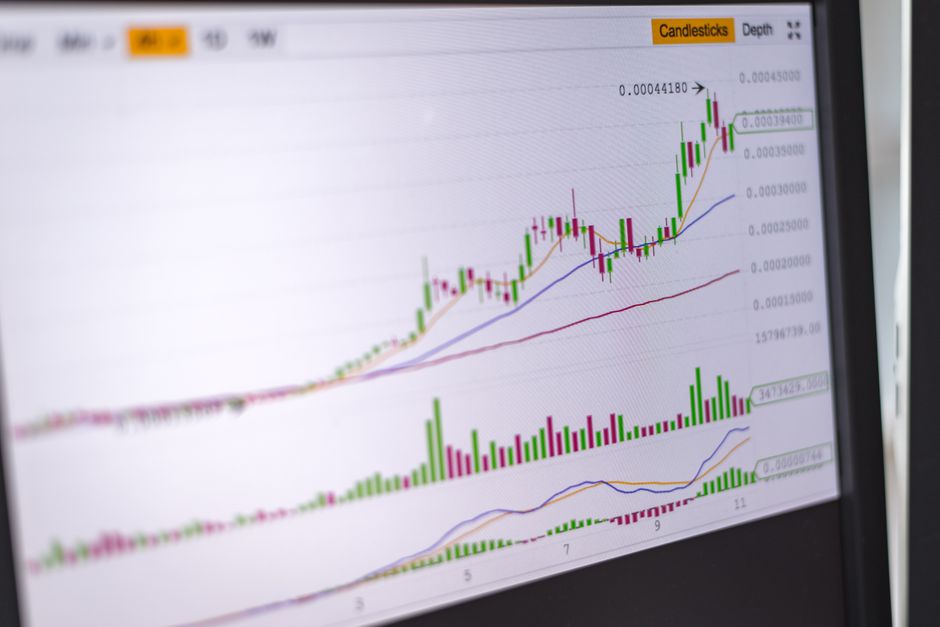
Slippage occurs because liquidity vanishes during a sudden opening range breakout. As price moves rapidly beyond a defined level, the available orders in the order book may not match the required size. A market order executes at the next available price. In a high momentum environment, that next price is often significantly worse than the signal price. This gap between intention and reality determines the true cost of a trade. Large orders hitting the tape during the first hour frequently push the price further away from the initial trigger point.
Quantifying Impact via Timeframe Analysis

Discrepancies vary based on the selected timeframe. A breakout from a five minute range often faces tighter liquidity than a breakout from a thirty minute range. Smaller time frames require more frequent executions, which compounds the total cost of slippage over a full session. When a trade triggers during a rapid move, the execution speed of the broker and the depth of the book dictate the realized entry. Tracking the difference between the signal and the fill provides a concrete metric for performance.
Volatility and Order Depth
High volatility during the cash open creates wide spreads. A trader might see a signal on a 15 minute chart, but the actual entry occurs during a micro-spike in volume. If the order size exceeds the current top of book, the remaining portion of the order fills at progressively worse prices. This mechanical reality means that a large position size can change the outcome of a trade compared to a smaller position. A small sample size of trades often hides these costs, but a larger dataset reveals the true drag on the account.
Mitigation Through Limit Orders
Using limit orders instead of market orders reduces slippage but introduces the risk of non-execution. A limit order placed at the edge of the opening range may be left behind if the price moves too fast. This creates a trade-off between price certainty and execution certainty. Monitoring the slippage during regular trading hours allows for better calibration of entry methods. Successful execution requires matching the order type to the specific volatility of the current session high or low.