Scheduling the Review Away From the Emotion

A review date is set once and then defended. The same numbers read in the week after a bad stretch and read a month later produce different verdicts, and the calendar entry used at orb trading review consultoriainnova is deliberately placed away from the end of a drawdown for that reason, because a strategy for the opening range is most often abandoned within days of its worst result rather than on any evidence gathered since.
Recent Sessions Weigh More Than They Should
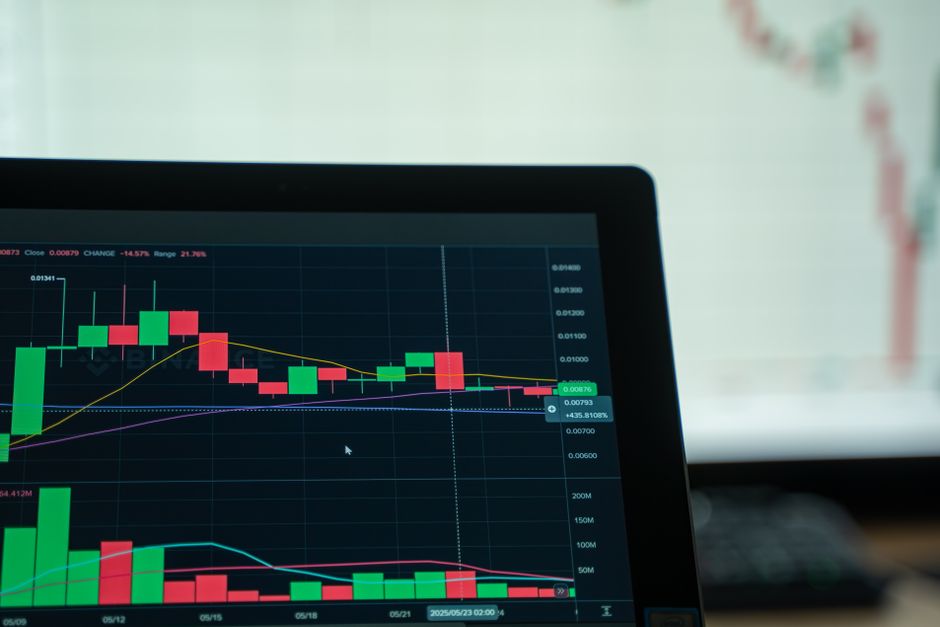
The last five trading days occupy far more attention than the fifty before them. Reading a quarter of results immediately after a losing week means the whole period is interpreted through it, and the conclusions bend toward whatever would have prevented those five sessions. Tightening a filter for that reason is a common outcome and it is fitted to noise.
Fixed Dates Beat Triggered Ones

A review scheduled for a specific date every quarter is held whether the period was good, bad or dull. A review held whenever things feel wrong is held only after losses, which guarantees that every review in the archive was written in the same mood. That skew is invisible until several of them are read together, and then it is obvious.
When the Date Lands Badly
Sometimes the scheduled date falls three days after the deepest drawdown of the year. Two options both work: hold it and record explicitly that it was written in that position, or move it by two weeks and note why. What does not work is holding it as though the timing were neutral, because the report will read as ordinary to whoever opens it in a year.
A Good Stretch Distorts Equally
The mirror problem gets far less attention. A review written after a strong run tends to approve everything, including rule violations that happened to work out and a win rate flattered by conditions. Position sizing often increases after these, with no analysis behind it. The emotional distortion is smaller in feel and roughly the same in size.
Something Between the Reviews
Waiting a full quarter with no checkpoint is its own risk, and the answer is not more reviews. A short weekly count of rule violations and completed checklists takes five minutes, catches execution drift early, and reaches no conclusions about the strategy at all. The heavy analysis stays on its fixed date, and the light monitoring covers the gap.